Put the firm's best work behind every matter
A firm's quality lives in its precedents, its partners' drafting and what was said in the last client meeting. Justis keeps each matter in its own project with its documents, meeting transcripts, research and drafts, lets the whole team work on it together, and gives every associate the same starting point: research cited to the paragraph and drafts in the firm's style.
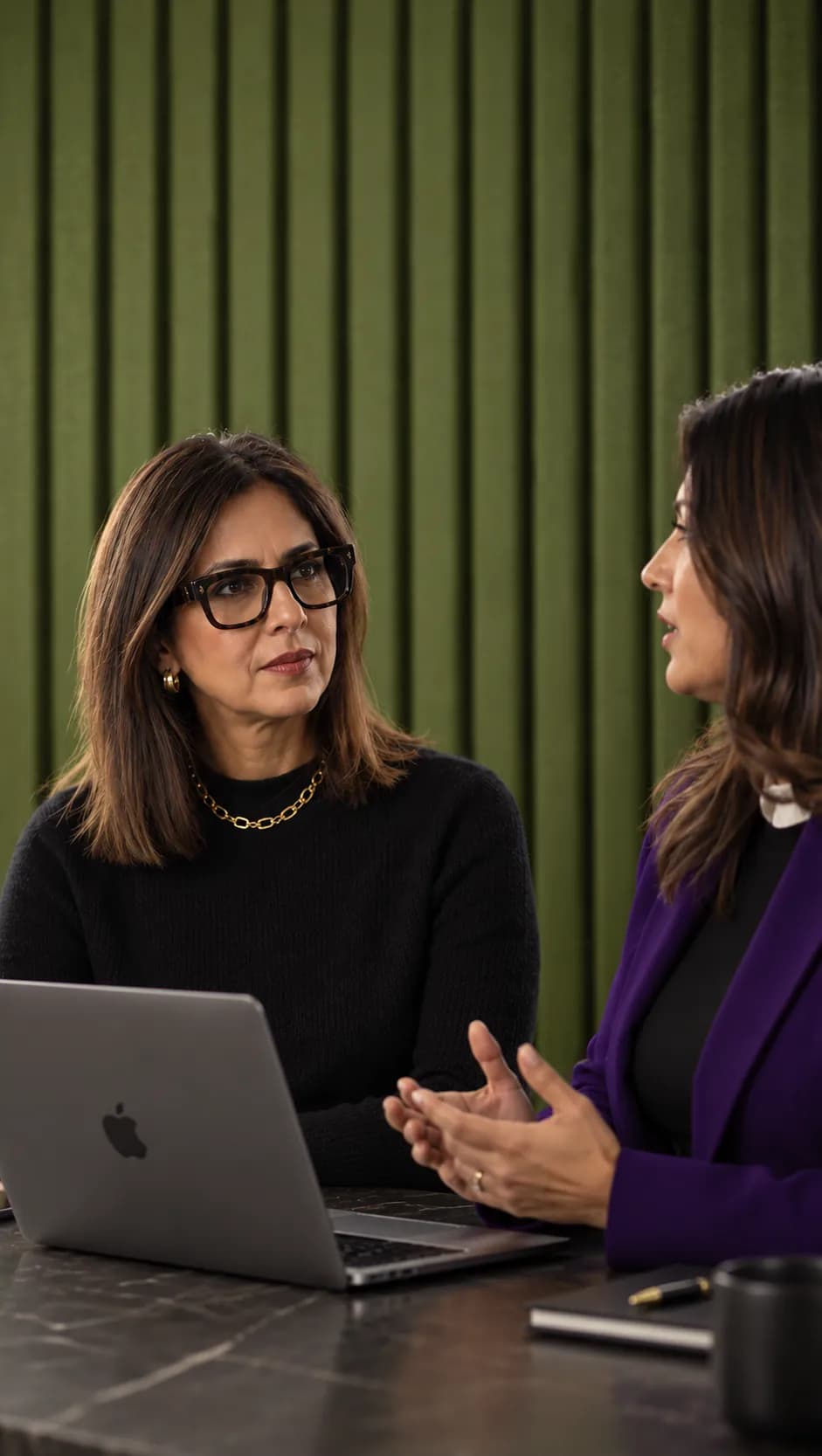
Matter management, one project per matter
Every matter gets its own project: its documents in folders, its chats, reviews and drafts, a matter number, and the matter context the agent reads on every question, visible only to the people working on it.
Client meetings and calls, transcribed into the matter
Record a meeting in the room on a phone, or save the audio of a Google Meet or phone call, and upload it to the matter. Justis transcribes it in English, Hindi and eight other Indian languages, labels speakers where the turn-taking is clear and leaves the wording untouched, and the agent answers from it like any other document in the file.
The whole team on the matter, working in one place
Add colleagues to a matter by email and they work from the same documents, chats and reviews. Comment on a draft and resolve the thread, share a review grid, and accept or reject the agent's tracked changes together, so nobody works from an emailed copy.
Research memos that hold up in front of a partner
The agent plans the search, reads the judgments and writes the memo with every proposition pinned to its paragraph, including the contrary view, so review time goes on the argument rather than on checking citations.
- Question framed and the governing provisions identified
- Supreme Court and High Court judgments on stamping and arbitration searched
- Seven-judge bench, 2023: an unstamped agreement is inadmissible, not void
- The referral court looks only at whether an arbitration agreement exists
- The stamping objection is left to the arbitral tribunal
- Memo written with each proposition cited to the paragraph
The firm's house style, in every associate's draft
Train the digital twin on the firm's precedents and each partner's drafting, and first drafts arrive in that voice, with changes as tracked changes in Word that the partner accepts or rejects.
Diligence at a scale the team could not staff
Tabular review runs the same questions across hundreds of documents at once and returns a grid with the page behind every answer, so a data room review starts from a finished grid rather than an empty spreadsheet.
Early interest from people at








 Physics Wallah
 Extend
Common questions
Can each matter be kept separate?
Yes. Every matter is its own project with its own documents, chats, reviews and meeting transcripts, and only the people added to it can see it.
Can we upload meeting recordings?
Yes, as audio. Record an in-person meeting on a phone or save the audio of a Google Meet or phone call, then upload it to the matter. It is transcribed in English, Hindi and eight other Indian languages, or the language is detected for you, and the agent can answer from it. Video files are not accepted yet, so for a Google Meet recording upload its audio track.
Can the whole team work on a matter together?
Yes. Add colleagues to a matter by email. They work from the same documents and chats, comment on drafts and resolve the threads, share review grids, and accept or reject tracked changes.
Will it draft in the firm's style?
Once you train the digital twin on the firm's precedents and each partner's drafting, yes. It learns structure, wording and how you cite, and edits arrive as tracked changes in Word.
Who checks the work?
Your lawyers do. Every answer cites its source so it can be verified, edits land as tracked changes you accept or reject, and the agent confirms before anything is deleted or merged.
Can we use it for due diligence?
Upload the data room and tabular review asks the same questions of every document at once, returning a grid with the page for each answer, exportable to Excel.
Is client data kept confidential?
Documents are encrypted in transit and at rest, access is limited to the people on the matter, and nothing you upload is used to train models shared with anyone else. Data is hosted in India.
What does it cost?
Every account starts with a 7-day trial of 100 credits. Pro is ₹999 a month with 500 credits, Ultra is ₹3,999 with 2,000, and larger teams are on the Custom plan.

Read in overnight, not over two days. Chronology, issues and the controlling authority, cited to the paragraph.

Board papers, filings and the company's own contracts, read against the Act before anything is signed.

A data room read end to end, red flags ranked, and the disclosure schedule built from what is actually there.